The Typehand: A Script Font That Elevates Creativity
There I was, staring at a blank brand board, trying to figure out how to make a new café identity feel fresh and authentic. The client wanted something that felt personal, almost handcrafted, but still professional enough for a modern space. I reached for my usual go-to fonts—serifs, sans serifs, some basic scripts—but nothing quite clicked. Then I remembered The Typehand.
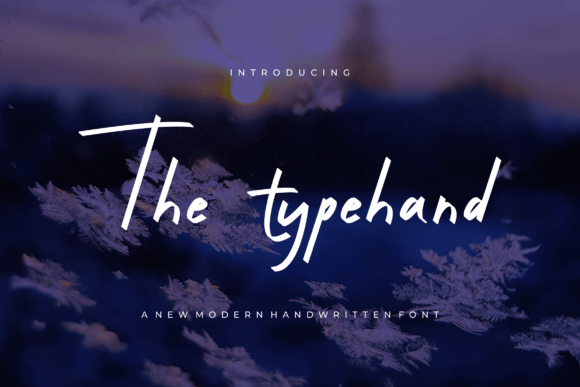
Testing it on a logo concept was like discovering a hidden gem. The Typehand has a natural flow, with subtle flourishes that give it character without being overwrought. It’s not the kind of script that screams “look at me,” but it commands attention in a way that feels effortless. Its curves are smooth, its weight balanced, and its personality warm and inviting.
Visual Characteristics and Personality
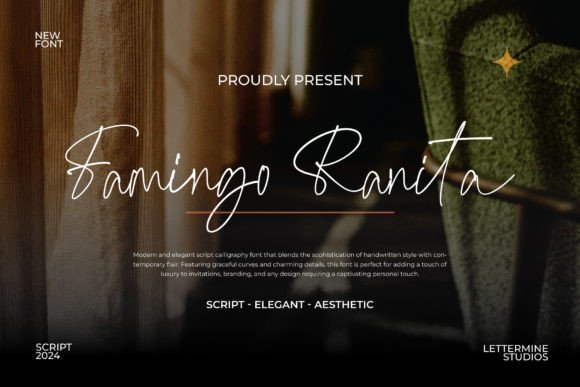
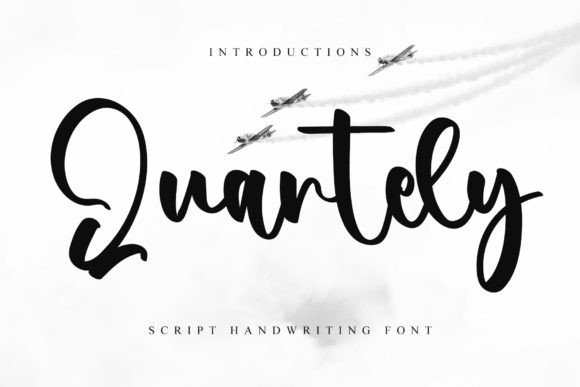
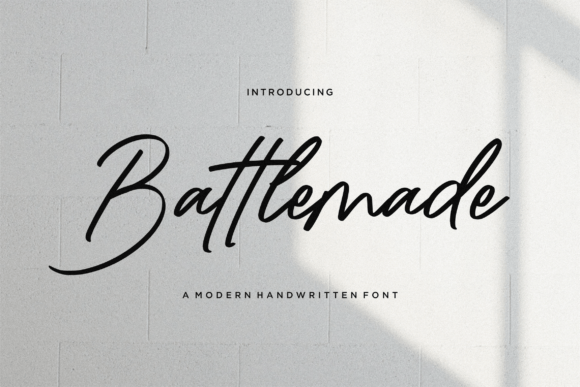
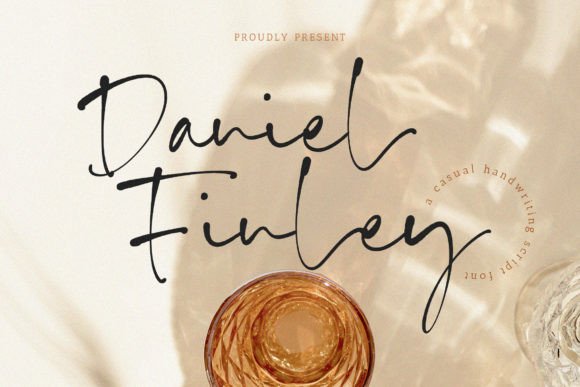
The Typehand is a script font that walks the line between elegance and approachability. It carries a handwritten quality that makes it feel human, yet it’s refined enough for high-end branding. The lowercase letters have a slight slant, giving the font a sense of movement, while the uppercase forms are more structured, offering visual stability. This duality makes it versatile across different design contexts.
Its personality leans toward creativity and authenticity. It’s ideal for brands that want to communicate warmth, artistry, or individuality. Think of a boutique skincare line, a handmade shop, or an independent café looking to stand out from the crowd. The Typehand doesn’t just add style—it tells a story.
Real-World Testing: From Logo to Social Media
I tested The Typehand on a variety of design assets, starting with a logo. On a simple wordmark, it looked clean and confident. When paired with a minimalist icon, it added a touch of personality that made the whole brand feel more cohesive. On a business card, it stood out without being distracting, and on a packaging mockup, it gave the product a unique edge that set it apart from competitors.
On a website header, The Typehand worked well as a display font, drawing the eye without overwhelming the page. In social media graphics, it added a sense of flair that felt intentional rather than forced. Even in smaller sizes, like on a product label, it remained legible and charming.
Strengths and Limitations
The Typehand excels as a display or headline font. It shines when used in short phrases, such as taglines, headlines, or logos. Its strength lies in its ability to convey emotion and style without sacrificing clarity. However, it’s not suited for long blocks of text. In body copy, it becomes difficult to read, especially at smaller sizes. That’s why it’s best reserved for accents, titles, or key visual elements.
It also works well in combination with other typefaces. Pairing it with a serif or sans serif font can create a nice contrast, balancing its fluidity with structure. For example, using The Typehand as a headline with a clean sans serif for subheadings creates a modern, polished look. With a traditional serif, it adds a touch of sophistication and timelessness.
When Not to Use The Typehand
While The Typehand is a powerful tool, it’s not a one-size-fits-all solution. It’s not ideal for formal corporate branding, where a more neutral or structured typeface might be better. It also isn’t suitable for projects requiring small text, such as legal documents, product instructions, or detailed infographics. In those cases, readability takes precedence over style.
If you’re working on a project that requires a high level of professionalism, consider using The Typehand as a secondary element rather than the main typeface. It can still add a unique touch without compromising the overall tone.
Practical Tips for Designers
Before committing to The Typehand in a final project, test it extensively. Try it at different sizes, on various backgrounds, and in different contexts. Pay attention to how it looks in both digital and print formats. Make sure it aligns with the brand’s voice and goals.
Also, check the font’s licensing terms. If you're using it for client work, ensure that the license covers commercial use, including web and print applications. Some fonts have restrictions that could limit your creative freedom or lead to legal issues down the line.
The Typehand is a premium font that offers a unique blend of style and functionality. Whether you're designing a logo, a packaging system, or a social media campaign, it has the potential to elevate your work and make it stand out. But like any tool, it’s most effective when used thoughtfully and appropriately.